

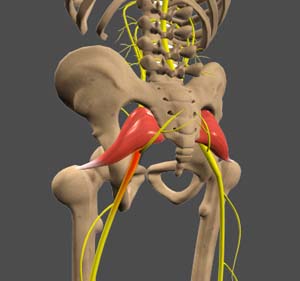
What is Sciatic Nerve Decompression?
Sciatic nerve decompression is a surgical procedure for the treatment of sciatic nerve pain.
The sciatic nerve is a large nerve that originates in the lower back (lumbar spine), running along the hip and back of the leg and branching off at the knee. The sciatic nerve may become compressed or entrapped along its path resulting in pain and other symptoms. The compression may occur due to the piriformis and hamstring tendon, fractures or bony abnormalities, scar tissue, fibrous bands, tumors, or vascular abnormalities that affect the free passage of the sciatic nerve.
Entrapment may also occur due to reduced space between the ischial tuberosity (pelvic bone projection) or femur (thigh bone) through which the sciatic nerve passes. Pain is normally one-sided and worsens when you rotate or bend your hip. Sensation in the lower limbs may become altered or decreased. You may end up limping or modifying your posture in order to avoid pain.
What are the Indications for Sciatic Nerve Decompression?
Sciatic nerve decompression is usually recommended when symptoms of sciatic nerve compression such as leg pain and/or weakness are persistent or progressive despite the use of non-surgical treatment methods such as medications, physical therapy, and steroid injections.
What is the Procedure for Sciatic Nerve Decompression?
Sciatic nerve decompression of the hip is usually performed as a minimally invasive arthroscopic procedure that allows your surgeon to have a clear magnified view of the sciatic nerve as it travels through the hip joint and to decompress the nerve. An arthroscope is a small, fiber-optic instrument consisting of a lens, light source, and a camera on the end. The camera projects images of the inside of the joint onto a large monitor, allowing your surgeon to look for any damage and repair the problem.
In general, the arthroscopic sciatic nerve decompression will involve the following steps:
- You will lie on your back or side on the operating table under regional or general anesthesia.
- Small keyhole incisions are made in the side and front of the hip through which portals are created to access the sciatic nerve.
- An arthroscope is passed through one of the portals.
- The sciatic nerve is located and evaluated for impingement and mobility.
- Other soft-tissue structures such as the hamstring and piriformis tendons are also assessed.
- Special miniature surgical instruments are inserted through other portals to remove or cut tissue that is pressing on the sciatic nerve and achieve decompression.
- The scope and the instruments are withdrawn, and the incisions are closed with bandages.
What Does Postoperative Care for Sciatic Nerve Decompression Involve?
In general, postoperative care instructions and recovery after sciatic nerve decompression will involve the following steps:
- You will be transferred to the recovery area where your nurse will closely observe you for any allergic/anesthetic reactions and monitor your vital signs as you recover.
- You may notice some pain, swelling, and discomfort in the operated area. Pain and anti-inflammatory medications are provided as needed.
- Antibiotics are also prescribed to address the risk of surgery-related infection.
- Ice packs covered with a towel can be applied to the affected area for about 15-20 minutes to reduce postoperative pain and swelling.
- Keep the surgical site clean and dry. Instructions on surgical site care and bathing will be provided.
- Refrain from smoking as it can negatively affect the healing process.
- Refrain from strenuous activities and lifting heavy weights for the first few months. Gradual increase in activities over a period of time is recommended.
- An individualized physical therapy protocol will be designed to help strengthen hip muscles and optimize hip function.
- Most patients are able to resume their normal activities in 3 to 4 weeks after surgery.
- A periodic follow-up appointment will be scheduled to monitor your progress.
What are the Risks and Complications of Sciatic Nerve Decompression?
Sciatic nerve decompression is a relatively safe procedure; however, as with any surgery, some risks and complications may occur, such as the following:
- Infection
- Bleeding
- Postoperative pain
- Damage to nerves and vessels
- Thromboembolism or blood clots
- Anesthetic/allergic reactions
For more information about our services or to schedule an appointment, call us at or click here to request an appointment online. We’ll respond to you as soon as possible.